Dear Kathy,
You mention caring for our bodies, how we feel emotion in our bodies, and even how estrangement can settle into our bodies. What do you mean? Can you explain it more? I have aches and pains. Sometimes I think I am getting sick, or I even get sick. Is that what you mean? I get how feelings are felt in the body, but are you saying they get stuck there? And what should I do if they are? Please explain.
—Tired, Sore, Sad, Wondering
Dear Tired, in Pain and Wondering,
What you are describing is sometimes referred to as “somatizing.” Your “soma” is your body. Feelings are felt throughout your body and can get lodged there. Sometimes we know we need to cry (or are crying) or yell (or are yelling). That shows us what we are feeling. But sometimes feelings are expressed more within your body, like a headache or stomach pains. These are harder to read, decipher, and yet they can be expressions of emotions as well.
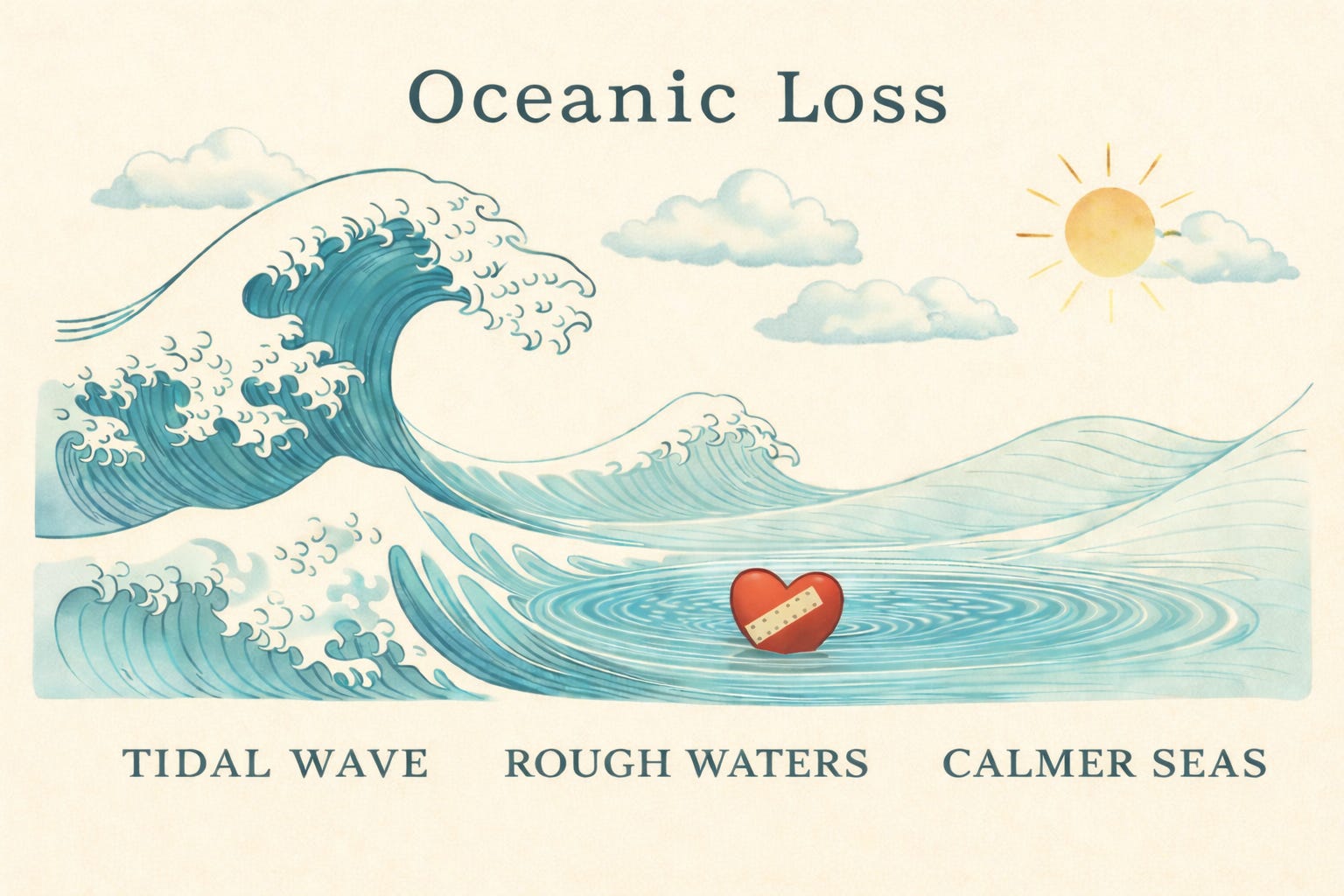
Estrangement is a painful experience that gives rise to many feelings. Anger and sadness are frequent, but also we can feel adrift, longing, hurt, scared, lonely, fuzzy headed. Our feelings can fluctuate like we are tumbling in waves. Part of what’s tricky is that, when we don’t feel well, we don’t necessarily know why. The feeling or pain we are having doesn’t identify itself as coming from the argument we had yesterday, or the loss we are experiencing in an ongoing way in our lives. It’s just there, aching or tiring us or making us wonder if we have something really wrong with us.
Check Into Your Symptoms
Before we explore the somatic map of where emotion hides its pain, a vital note: Always consult your medical provider first. It is essential to have the examinations and tests prescribed by a medical professional to rule out or treat physical issues. Once you have established that baseline that you are medically safe, you could try alternative models to address the emotions in your body.
The Somatic Reality of Loss
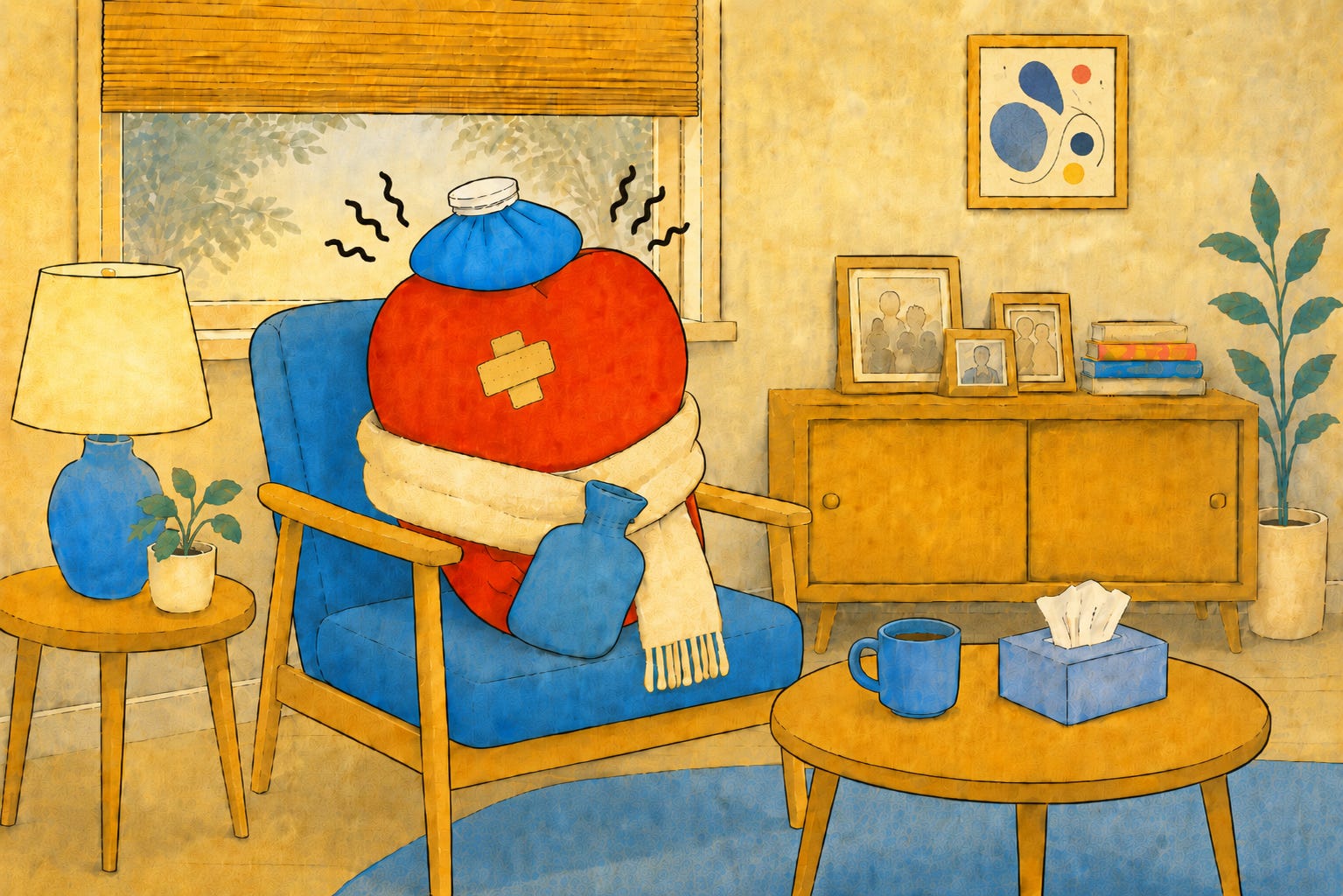
Grief is felt emotionally and physically. For example, your nervous system can get stuck in a state of chronic hyper-vigilance, where a constant flood of stress hormones creates a persistent “bracing” that eventually leads to deep muscle fatigue and systemic inflammation.
Here is how “bracing” works: If you begin to breathe shallowly to avoid feeling the depth of your pain, your diaphragm instinctively tightens. After a period of unconsciously restricting your diaphragm, your neck begins to pull in compensation. If this pattern continues over time, that tightness becomes chronic—and you begin to experience a neck that hurts most of the time. This is one very common way emotional pain settles into a physical location. Sometimes we say feelings are lodged in the body. This is what we mean. They have taken up residence.
Loss from estrangement can steal your sleep, disrupt your digestive system, cause frequent head or muscle aches or just leave you over tired. In my Oceanic Loss model, I show the waters circulating through phases of loss. This is because loss in estrangement can be endless—you can cycle through the stages repeatedly. I will paste that image at the bottom of the column. My visual image is meant to explain and affirm what you are experiencing.
“Feel the feeling. Let it be as big as the ocean. If you can stay with the physical sensation of the pain without trying to escape it, it begins to move through you.” — Pema Chödrön
How to Begin “Unsticking” the Pain
Once your doctor has given you the medical “all clear,” consider these pathways to help assuage your pain:
Somatic Movement: Walking, yoga, or dance therapy. These aren’t just for physical fitness; they are structural tools to physically move through and clear out the stress that resides in your muscles. Moving in these ways can feel uncomfortable at first, because it gets things (including feelings) moving. After you begin, your body and feelings will move with more fluidity, feeling more comfortable and relieved.
It is also good to move—exercise can help you feel better and healthier.
Narrative Expression: Journaling or support groups help you put your feelings to words. Giving language to the “unsaid” provides an opportunity to name and express, ensuring the energy doesn’t remain lodged in your jaw or chest, cycling in a permanent repeat loop of pain.
Stillness & Breath: Meditation and breathing into your diaphragm help lower your sense of tension in your body. These intentional acts signal to your nervous system that it is safe to relax the “bracing” and let the muscular armor soften, shifting you out of fight-or-flight alertness.
Voice Work: Finding a safe environment to speak, chant, or sing. Your throat is a common place for emotional constriction to lodge. Expressing yourself out loud, somewhere you feel safe, helps clear that tension and give words to your pain.
____________________________________
So, Dear Tired, in Pain, and Wondering,
You are not alone in feeling “not quite right.” It’s important to point out that we use the same word for physical pain (remember that pain scale at the doctors: Is it a 2 or an 8?) and emotional pain. If we are hurting emotionally, we may be able to move the pain with writing or sharing or acupuncture or yoga. Loving ourselves when we are in pain can be challenging, but giving ourselves opportunities to move and express ourselves can help us make our way to more clarity or possibly just feel better.
When a primary relationship is severed, our sense of ourselves has a hole in it. Your body is trying to brace against that absence. Caring for yourself when you are feeling that emptiness can be challenging. But by giving your body the opportunity to move, breathe, and express what it is carrying, you allow the waters (your feelings) to circulate. You begin to open a way toward understanding—or perhaps, find the relief of breathing a little easier.
Warmly,
Kathy
P.S. If you want to practice moving through these stuck places together, I’m presenting a workshop on August 1 with Ann Dyer, the founder of Mountain Yoga. We’ll gather in Oakland and on Zoom for an afternoon of gentle yoga, journaling, and talking through how estrangement lives in the body. You can find more info and reserve your spot here: https://www.m-yoga.org/living-with-estrangement.html
Please reach out to me in the Comments Section or at ksinsheimermft@gmail.com
This is column #38